

Most medical alert systems fail for one reason: the person stops wearing them. Here is what actually decides whether a device stays on, and what to check before you buy.
A medical alert system only works if it is on the person when something happens, and that is where most of them quietly fail. The button ends up in a drawer within a few months. Not because it did not work, but because it was uncomfortable, embarrassing to wear, or too easy to forget. I am seventy myself, and the devices that stayed on me were not the ones with the most features. They were the ones I stopped noticing I had on. Falls are the leading cause of fatal and nonfatal injuries among older adults, according to the Centers for Disease Control and Prevention, which is exactly why a device that actually gets worn matters.
Before comparing brands, it helps to know that Medicare classifies these as a personal convenience item and does not cover them. Check your own plan before you shop.
The first question is not the device. It is the person.
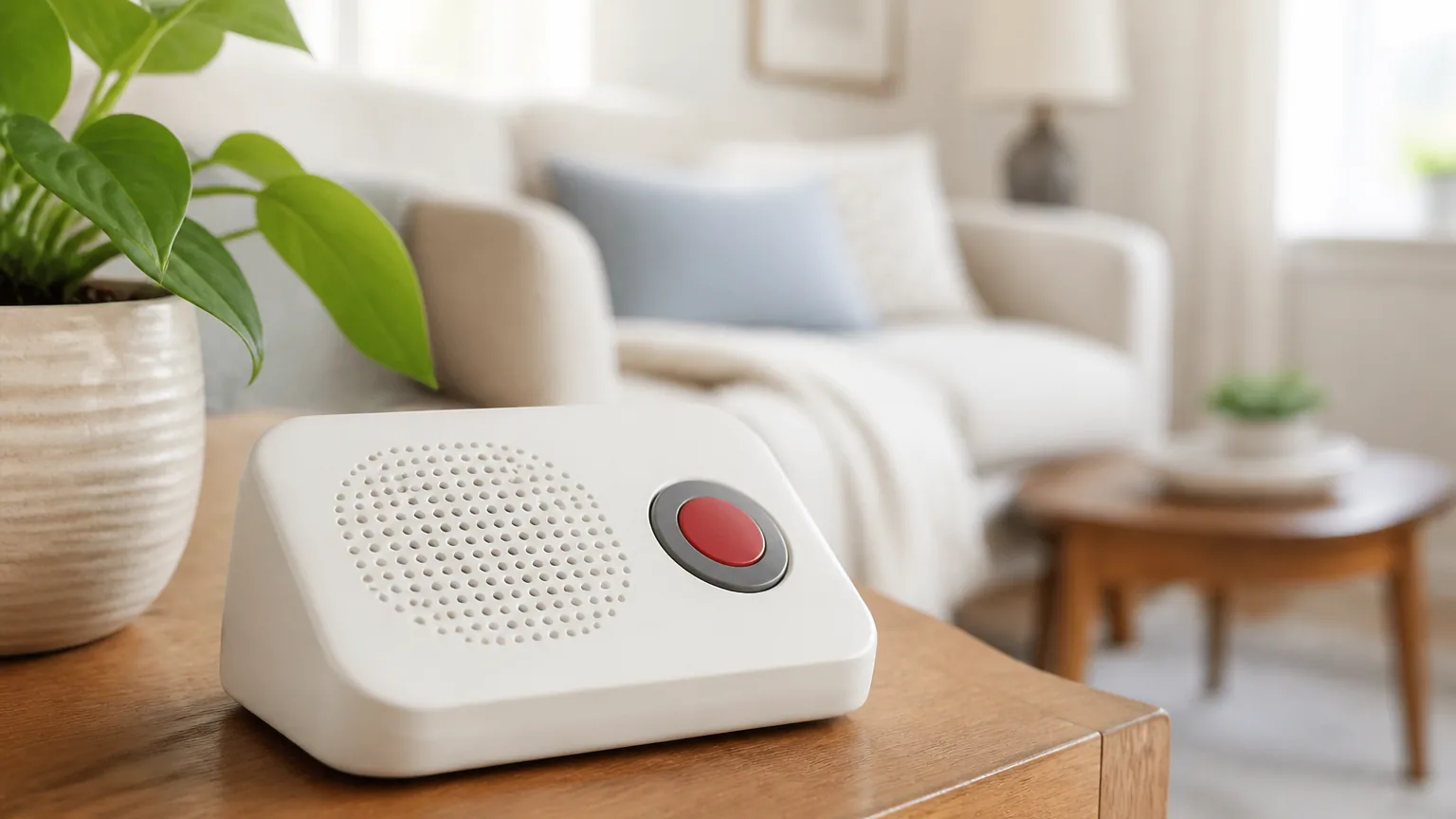
Every system on the market falls into two groups: worn on the body, or fixed in one place like a base station. A device that only works near the kitchen counter is no help in the bathroom, the driveway, or the yard, and falls happen in all of those places. If the person spends real time outside the house, alone, a mobile system with built-in cellular and GPS matters more than any other feature on the list. If they rarely leave a single-story home, a simpler in-home base unit may be enough, and it usually costs less each month.

Fall detection is not the same as a fall button
Automatic fall detection sounds like the obvious upgrade, and for some people it is. But the sensors that trigger it are not perfect. A slow slide into a chair can trigger a false alarm. A hard fall onto a soft surface can fail to trigger one at all. Fall detection is worth paying for when someone might be unable to press a button after a fall, from confusion, a broken wrist, or loss of consciousness. For someone alert and mobile after a stumble, a reliable manual button is worth more than an automatic sensor they may not trust.
| System type | Best for | What to know |
|---|---|---|
| In-home base station | Someone who rarely leaves a single-story home | The simplest option and usually the lowest monthly cost, but it offers no protection away from home. |
| Mobile system with cellular and GPS | Someone who spends real time outside alone | Works anywhere with a signal and can locate the wearer, which matters more than any other feature for active people. |
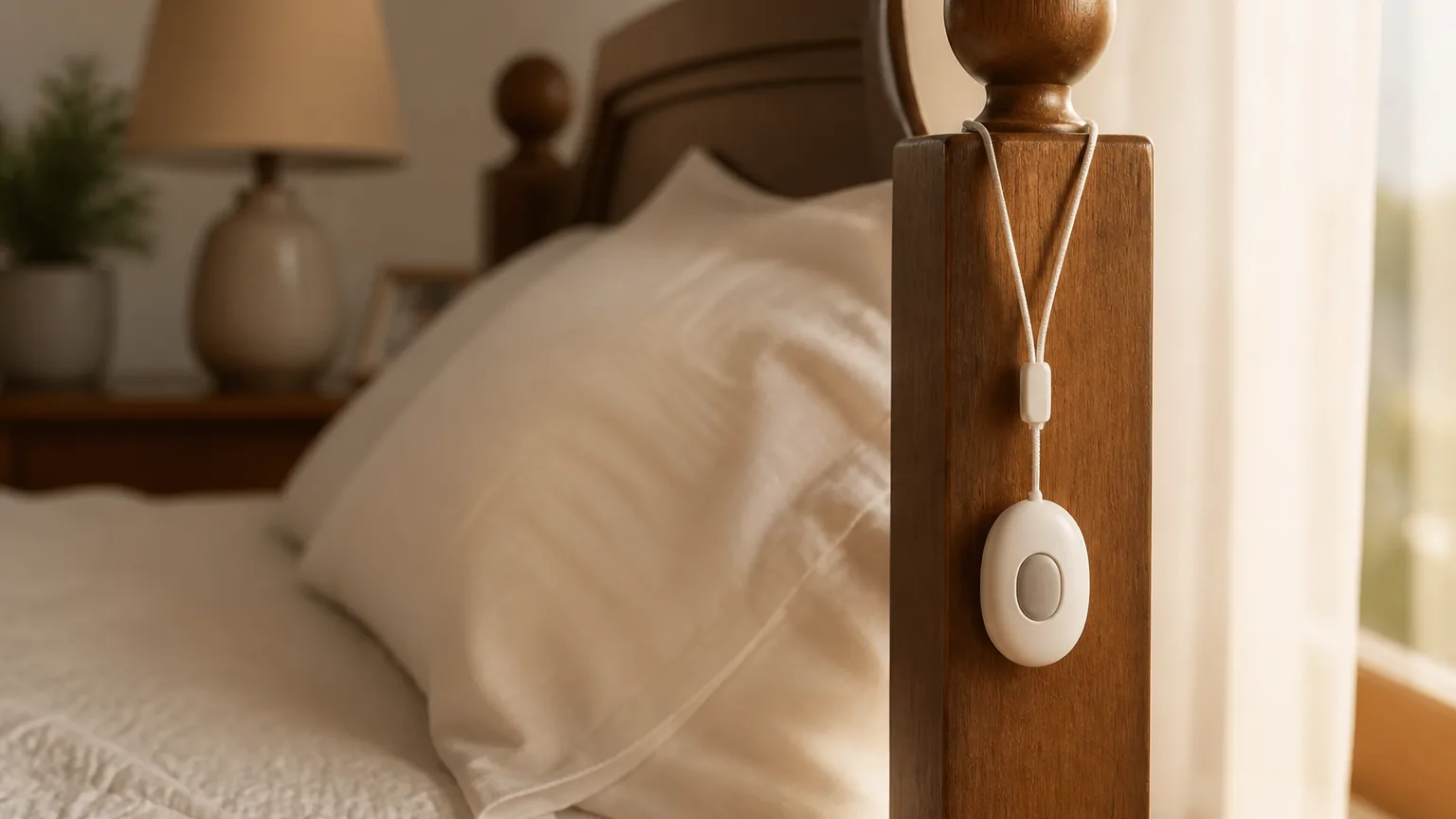
| Pendant on a breakaway cord | All-day wear, including the shower and bed | Light and water-tolerant, though some people feel it looks medical and take it off. |
| Slim wristband, watch style | Someone who resists wearing a device | Passes for a watch, so it actually stays on, which is the highest real-world adherence. |
| Automatic fall detection (add-on) | Someone who may be unable to press a button after a fall | A useful safety net, but it can miss soft falls and trigger false alarms, and it usually costs extra. A manual button is more reliable for anyone able to press it. |
Comfort decides whether it gets worn at all
This is the part the brochures skip. A pendant that feels heavy will end up on a nightstand instead of a wrist. So will a wristband that looks medical, or a clasp that is hard to work with stiff fingers. Before buying, it is worth asking to see and hold the actual device, not just a photo of it. A lightweight pendant on a breakaway cord, or a slim wristband that could pass for a watch, gets worn through a shower and into bed. A bulky one does not.
Questions worth asking before you sign a contract
- Is the monitoring center staffed every hour, every day, and is it based in the United States?
- What is the button's range from the base station, and does that cover the whole house and yard?
- Is there a cancellation fee, and is equipment rented or owned outright?
- Does the battery last through a normal day, and how is low battery signaled?
- Is the device waterproof enough to wear in the shower, where a large share of home falls happen?
The National Institute on Aging lists a medical alert system among the practical changes that help someone stay safely at home, alongside grab bars and better lighting. It works best as one part of that plan rather than a stand-in for the rest of it.
Set it up before it is needed, not after
The best time to choose and test a system is before a fall, not the week after one. Practice pressing the button once it arrives, confirm the monitoring center can hear the person clearly from different rooms, and agree in advance who gets called first. A device tested calmly on a Tuesday afternoon works far better in an emergency than one nobody has tried.
Comfort, fit, and a design the person is not embarrassed to wear will do more for actual safety than any list of features. If shopping for a parent or grandparent, our tech gifts for seniors that are not overwhelming guide covers other devices built around the same idea. It is technology that gets used because it asks nothing extra of the person wearing it.
To choose a medical alert system that actually gets worn, work in this order:
- Start with the person, not the device: what will they actually accept and wear?
- Decide whether automatic fall detection is worth it, or a press button is enough.
- Choose for comfort, since a device that is uncomfortable ends up in a drawer.
- Ask about the contract before signing: monitoring fees, cancellation, and equipment terms.
- Set it up and practice with it before it is ever needed.
Key Takeaways
- A medical alert system only helps if it is actually worn, and most fail because the person quietly stops wearing an uncomfortable or embarrassing device.
- What keeps a device on the body — how it feels, how it fits, and whether the wearer is self-conscious about it — protects a person more than a long feature list does.
- Match the type to the life: someone often out alone needs cellular and GPS, while an indoor-only user can use a simpler base station.
- Medicare treats these as a convenience item and does not cover them, though some Medicare Advantage plans offer a partial benefit.
- Choose and test the system before a fall, not after: practice the button, check that the monitoring center can hear clearly, and agree who is called first.