
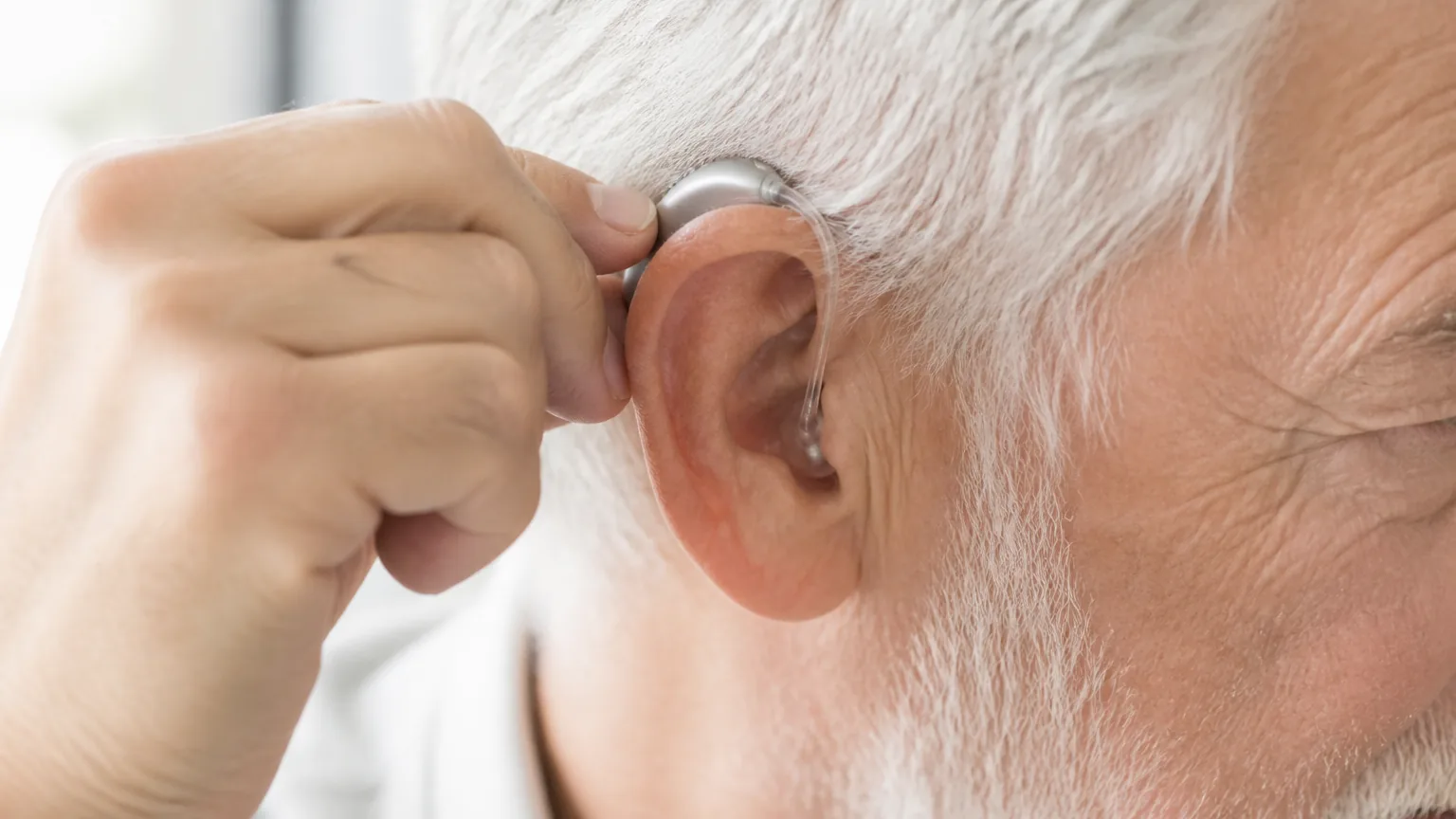
No — and unlike most exclusions, this one is written into the program by name. What Medicare does cover is a related exam that many people never claim.
Medicare does not cover hearing aids, and it does not cover the exams used to fit them. Medicare.gov says this directly, and adds one line about cost: you pay all costs.
This isn't the usual durable-medical-equipment question, where an item is measured against a checklist and falls short. Hearing aids are excluded from Original Medicare by name. No amount of documented medical need changes that answer.
| Route | Covers hearing aids? | What to know |
|---|---|---|
| Original Medicare | No | Excluded by name. Medicare.gov says you pay all costs, including the fitting exam. |
| Part B diagnostic exam | The exam only | Covered when a doctor orders it to diagnose a condition such as dizziness or sudden loss — not when its purpose is fitting aids. |
| Medicare Advantage (Part C) | Often | Usually a yearly allowance toward devices, often through contracted suppliers. Changes at renewal. |
| Medicaid | In some states | Varies by state. |
| Department of Veterans Affairs | Yes, eligible veterans | Among the most generous benefits and the most often overlooked. |
| Over-the-counter devices | Not covered | Sold directly without a prescription since October 2022, which dropped the price. |
What Medicare does pay for
There's one real exception that many families never use. Part B covers diagnostic hearing and balance exams when a doctor orders them to diagnose a medical condition — things like ongoing dizziness, sudden hearing loss, or suspected damage.
What matters is the purpose of the visit. An exam ordered to investigate a symptom is covered. The same exact test, done to select and fit hearing aids, is not. If your parent has balance problems or a sudden change in hearing, that's a covered diagnostic question worth raising with the doctor in those terms.
Medicare Advantage
Part C plans can offer benefits Original Medicare doesn't, and hearing coverage is one of the most common. It usually comes as a yearly allowance toward devices, not full payment.
Two things to watch for. Allowances often only apply through the plan's contracted supplier network, which narrows your choice of device quite a bit. And hearing benefits are one of the things plans change most often at renewal, so a benefit you had last year might shrink this year. The Evidence of Coverage document is the real answer — not the marketing summary.
What actually changed the picture
The bigger shift for most families wasn't a Medicare change at all. Since October 2022, FDA-regulated over-the-counter hearing aids have been sold in the US without a prescription, without an audiologist visit, and without a fitting appointment.
That didn't create Medicare coverage. What it did was drop the price floor for adults who believe they have mild to moderate hearing loss — and for many families, that mattered more than an allowance ever would. Devices that once needed a clinical process costing thousands of dollars can now be bought directly.
There's a real trade-off worth knowing about. Over-the-counter devices are self-fitted, so there's no professional check of your specific hearing loss pattern and no in-person adjustment. They're meant for adults with perceived mild to moderate loss. Severe loss, hearing loss in only one ear, sudden loss, pain, discharge, or dizziness are all reasons to see a clinician instead of buying a device — and some of those visits are covered under Part B.
Other routes
State Medicaid programs cover hearing aids for qualifying adults in some states, but not others. The Department of Veterans Affairs provides hearing aids to eligible veterans, and it's one of the more generous benefits available — one that many families never check for. Some hospital systems and charities also run reduced-cost programs.
To get hearing help without paying full retail, check these routes in order:
- Expect Original Medicare to cover only a diagnostic hearing exam when a doctor orders it, not the aids themselves.
- Check whether a Medicare Advantage plan includes a hearing benefit, and what dollar cap it sets.
- If the person is a veteran, check Department of Veterans Affairs eligibility, one of the more generous benefits.
- Compare over-the-counter hearing aids and hospital or charity programs before buying at full price.
Key Takeaways
- No — Original Medicare covers no hearing aids, and not the exams used to fit them. You pay all costs.
- The exclusion is written into the program by name, so documented medical need does not change it.
- Part B does cover a diagnostic hearing or balance exam when a doctor orders it to investigate a symptom — not when its purpose is fitting aids.
- A Medicare Advantage plan often adds a yearly hearing allowance, usually through contracted suppliers and subject to change at renewal.
- Other routes: state Medicaid in some states, VA benefits for eligible veterans (generous and often missed), and low-cost over-the-counter devices since October 2022.
This article is part of a series. For the framework behind all of these answers, see Does Medicare Cover Assistive Devices? What Families Need to Know.
Sources
Coverage depends on your specific plan, your documented medical need, and your supplier. To confirm anything that matters to you: call Medicare on 1-800-MEDICARE, check your plan's Evidence of Coverage, or contact your State Health Insurance Assistance Program (SHIP), which provides free one-to-one counseling in every state.