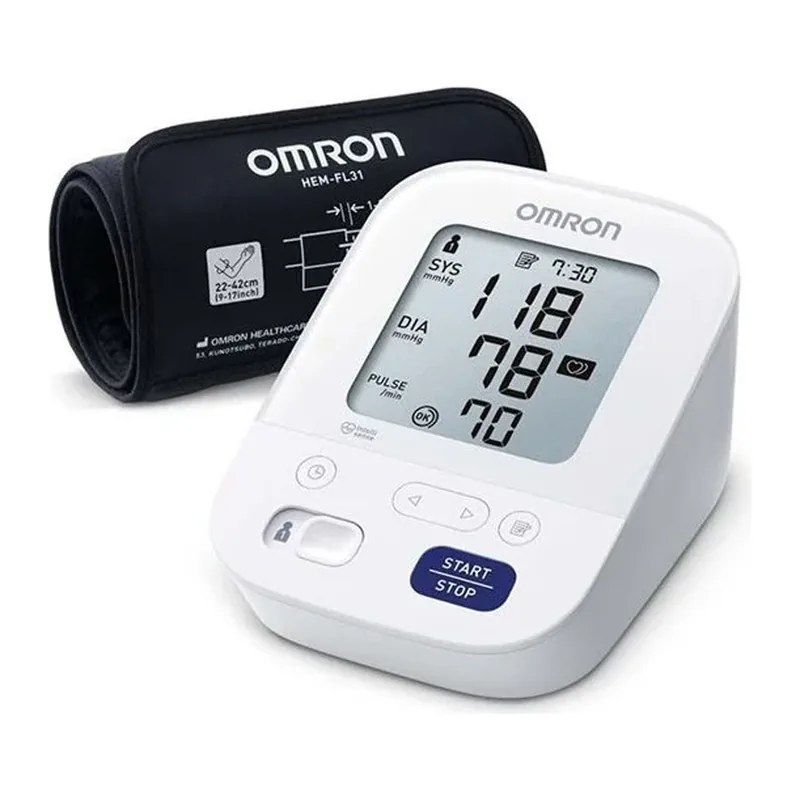
Omron Bronze Upper Arm Blood Pressure Monitor
An upper-arm blood pressure monitor that sends every reading to a phone app over Bluetooth, for a dated record at appointments.
Key features
- Wide-range D-ring cuff that fits upper arms from 9 to 17 inches
- Flags an irregular heartbeat detected while measuring. This is a prompt to raise it with a doctor, not a diagnosis, and it does not replace an ECG
- Keeps the last 14 readings on the unit, so nothing is lost if a phone is replaced or the app is never set up
- Pairs with the free OMRON connect app by Bluetooth to keep an unlimited log you can share with your doctor
- Runs on four AA batteries, included in the box
Best for
Seniors whose doctor has asked them to bring home readings to appointments, or anyone on blood pressure medication who wants to see whether a recent change is working | A practical gift for a parent recently diagnosed or newly on medication, when the alternative is them writing numbers on the back of an envelope and losing it.
Worth knowing
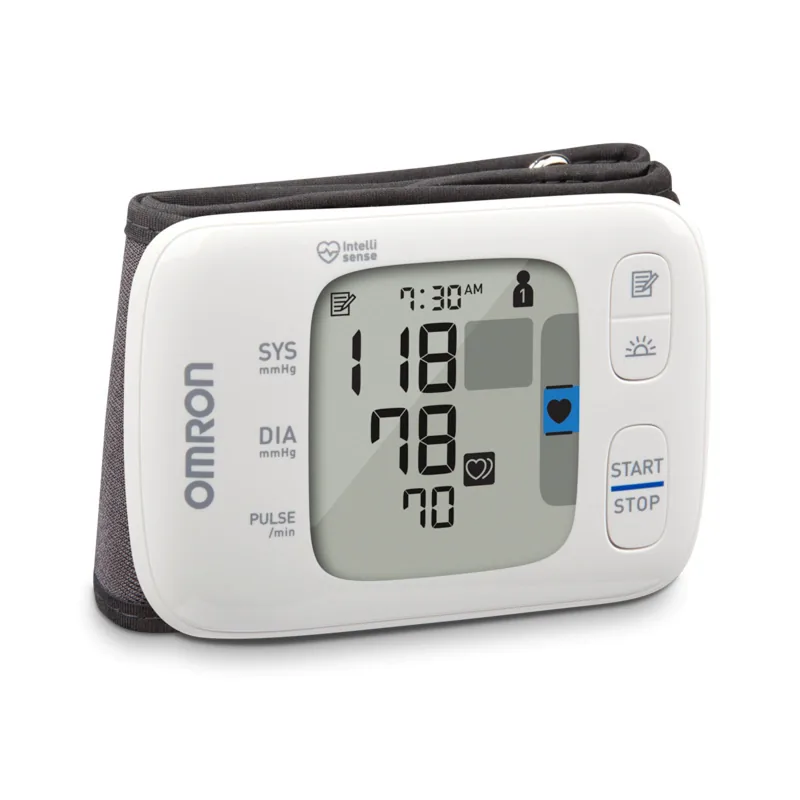
Cuff size matters more than most buyers expect — measure the upper arm circumference and match it to the cuff range before ordering, since a poorly fitting cuff produces confidently wrong numbers. Technique affects the reading more than the device does: sit still for five minutes first, feet flat, arm supported at heart height, and do not talk during the measurement. This is a monitoring tool, not a diagnostic one; never adjust medication on the basis of home readings without speaking to a doctor. Wrist monitors are more convenient but require the wrist held precisely at heart level to read correctly, which an upper-arm cuff removes as a variable.