
Rowabi Rattan Pendant Lights
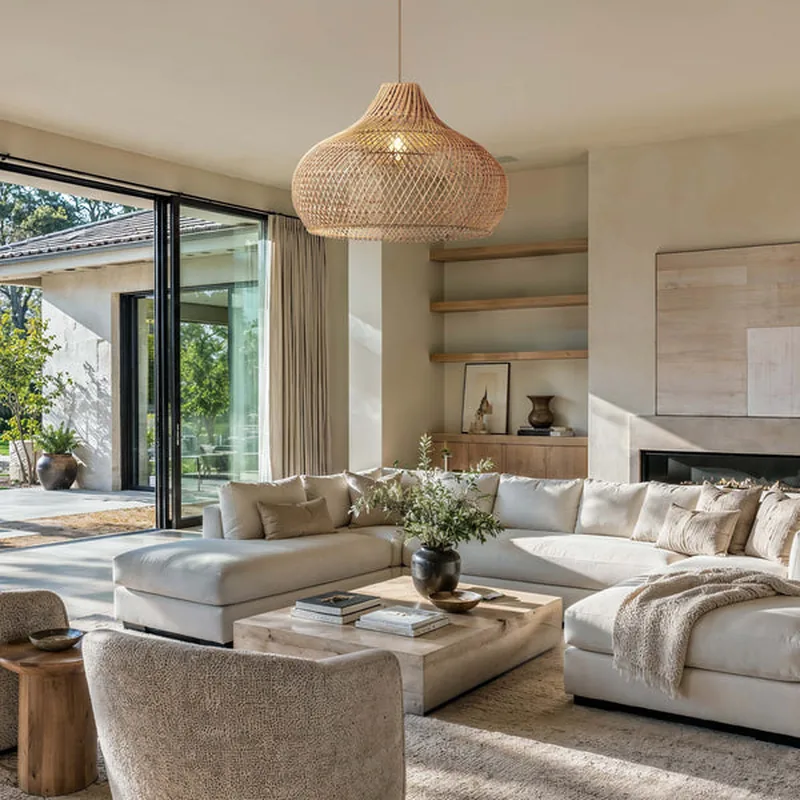
Handwoven rattan pendant lights, sconces, and flush mounts from a designer lighting brand with over 120 styles, organized by room and priced mostly under $350.
Key features
- Each shade is woven by hand over a metal or bamboo frame, so the grain and weave tighten or loosen slightly from piece to piece — no two fixtures match exactly.
- Bathroom, kitchen, and outdoor listings are marked damp-rated where relevant, so a covered porch or humid bathroom isn't guesswork.
- Sizes range from small single-bulb pendants to large multi-light fixtures, so the same woven look works over a reading nook or a full dining table without switching styles.
- A trade program offers separate pricing for anyone ordering multiple fixtures at once, such as re-lighting several rooms in the same visit.
Best for
Anyone updating a living room, entryway, or kitchen with a natural-texture statement light — the woven rattan shapes work especially well over an island, breakfast nook, or reading chair. | A housewarming or milestone gift for a parent redecorating or settling into a new home, where one striking pendant does more visual work than several smaller changes.
Worth knowing
Fixtures must be returned uninstalled and in original packaging, so confirm the look and finish before wiring it in — once installed, it can't go back except for a defect. Made-to-order pieces have a narrower exception still: only damage or a manufacturing defect qualifies for a return, not a change of mind.
Where to buy