
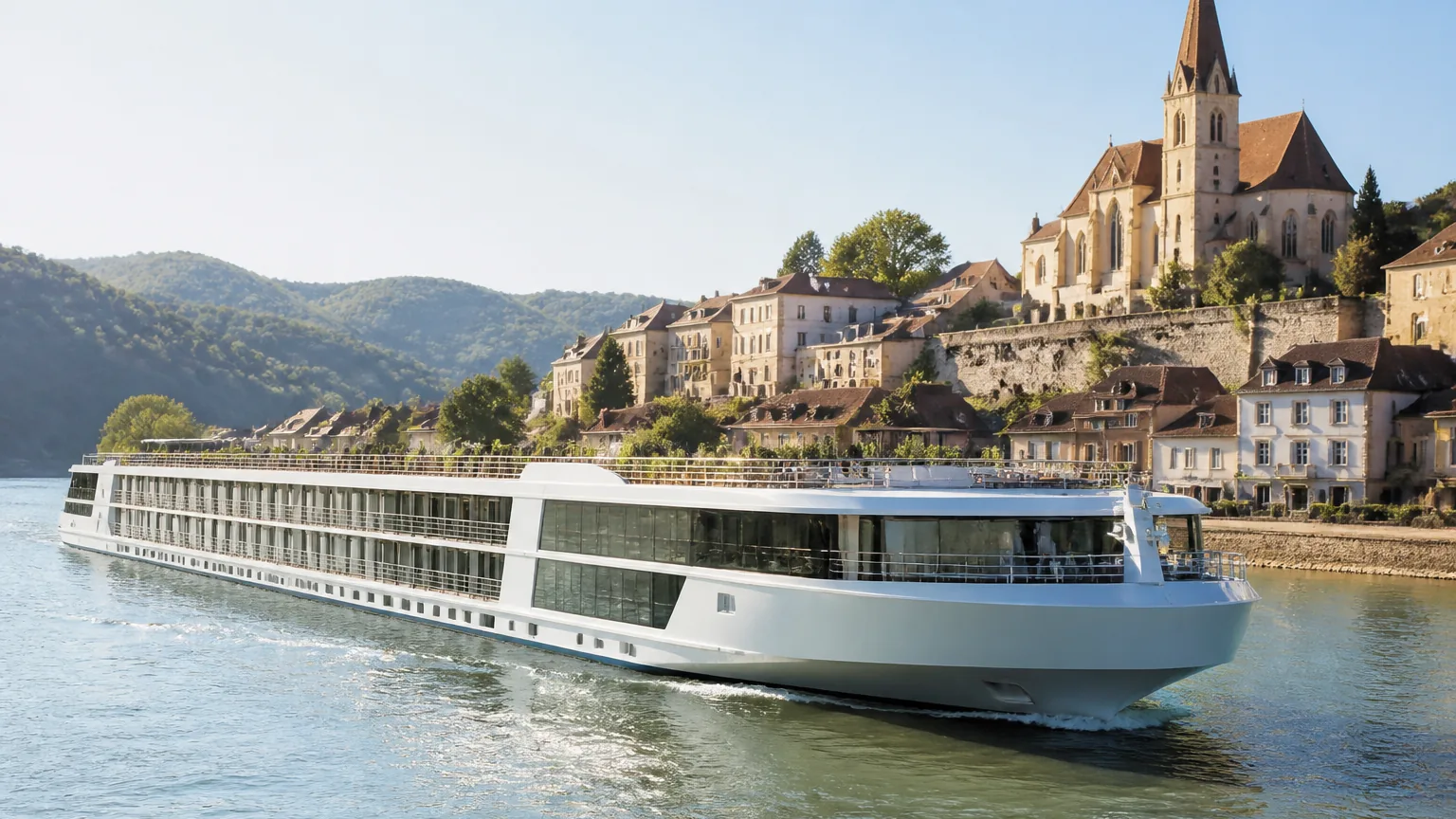
River cruising has transformed in two decades from a niche product to the most popular form of luxury travel among older adults. Here's what makes it different.
River cruising has undergone a transformation over the past two decades that has made it arguably the most popular form of luxury travel among adults over 60. Understanding what distinguishes it from other travel formats — and from ocean cruising in particular — helps explain why so many experienced travelers now describe it as their preferred way to see Europe.
The scale difference
A river cruise ship carries typically 100 to 200 passengers. Viking's Longships, the most common vessels on Europe's rivers, each carry 190, while the largest modern ocean ships now carry more than 5,000. The scale difference changes the entire experience. The service-to-passenger ratio on a river ship is dramatically higher; the social environment is more personal (a small enough group that most people know each other's names by the second day); embarkation and disembarkation is quick and simple rather than the logistical challenge it becomes on larger ships; and there is no tender process — the ship docks directly at the town it's visiting.
The absence of sea days is equally significant. Every morning, a different town or city is outside the cabin window. The itinerary is port-centric by design: the ship is a moving hotel rather than a destination in itself.
Why it suits older travelers particularly well
Motion sickness can make rough-weather days at sea genuinely miserable, and it is common: roughly one in three people are highly susceptible to it, according to research published in the journal Human Molecular Genetics. On a river vessel moving through calm water, it is essentially not a factor. Even passengers who have avoided ocean cruises for this reason typically find river cruising comfortable.
The distance from ship to town center is minimal on most river itineraries, which eliminates the long bus transfers that characterize port visits on ocean ships. For anyone who finds extended walking tiring, being able to return to the ship easily and frequently — or to step off for an hour and be back in an air-conditioned cabin for lunch — is a significant quality-of-life difference.
Excursions on premium river cruises are generally included in the fare and are led by expert local guides rather than tour leaders covering multiple itineraries. The quality of interpretation is typically higher than equivalent shore excursions on ocean ships.
The main European itineraries
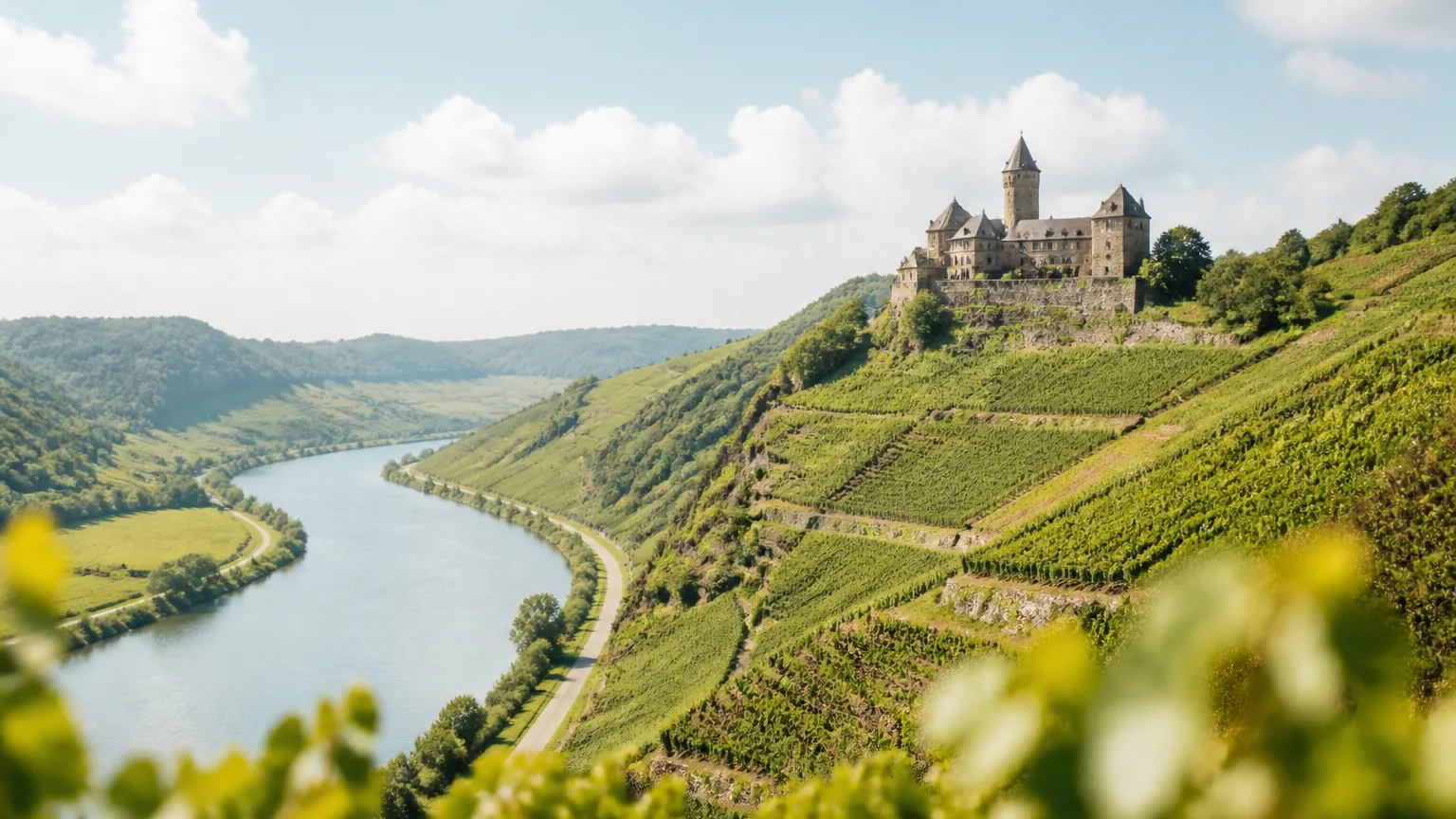
The Rhine connects Amsterdam to Basel, passing through the German Rhineland's castles and vineyards — an itinerary suited to first-time European visitors for the concentration of iconic scenery. The Danube runs from Nuremberg or Passau to Budapest, passing through Vienna and Bratislava — one of the great city-hopping itineraries in European travel. The Seine
connects Paris to Normandy, a more intimate itinerary with a particularly strong cultural focus. The Douro in Portugal, and the Rhône in southern France, are considered among the most scenically beautiful routes.
| River | Route | Known for |
|---|---|---|
| Rhine | Amsterdam to Basel | Castles and vineyards of the German Rhineland; a strong first-time route for its concentration of iconic scenery. |
| Danube | Nuremberg or Passau to Budapest | A great city-hopping route through Vienna and Bratislava. |
| Seine | Paris to Normandy | A more intimate route with a particularly strong cultural focus. |
| Douro / Rhône | Portugal / southern France | Among the most scenically beautiful routes of all. |
What the premium lines offer
Viking River Cruises, the market leader in North America, offers a clean Scandinavian aesthetic and high standards of included content. AmaWaterways is known for strong culinary programming and the quality of its shore excursion guides. Scenic and Emerald offer ultra- inclusive pricing with higher cabin standards. Tauck is frequently cited for the quality of its tour directors and the access its itineraries provide to experiences not available through standard channels — private museum visits, dinners in locations closed to other visitors.
At the premium end of all these lines, staterooms with panoramic windows that open to a full balcony (or what the industry calls a "French balcony" where the floor-to-ceiling windows fully retract) bring the riverside landscape directly into the cabin in a way that transforms the experience on scenic stretches.
Booking 12 to 18 months in advance is standard for prime itineraries, particularly the Christmas market sailings on the Rhine and Danube in December, which sell out earliest.
To choose a river cruise well, take these steps in order:
- Pick the river to match the scenery: the Rhine and Danube for Christmas markets, the Douro for wine country.
- Choose a line by what the fare includes, since excursions and onboard service vary widely.
- Book 12 to 18 months ahead for prime itineraries, since the December sailings sell out first.
- Check that the shore excursions suit the pace and mobility of everyone traveling.
Key Takeaways
- River ships carry only 100 to 200 passengers, so service is more personal and boarding, docking, and getting ashore are all simpler than on ocean liners.
- Calm water means little motion sickness, and towns sit right by the dock, which suits travelers who tire of long walks or transfers.
- On premium lines, excursions are usually included and led by expert local guides, raising the quality over typical shore trips.
- The Rhine suits first-timers, the Danube is a great city-hopping route, and the Seine, Douro, and Rhône each offer a distinct character.
- Book prime itineraries 12 to 18 months ahead, especially the December Christmas-market sailings, which sell out first.