

The fashion industry's relationship with older adults is changing. Here's what the premium clothing market actually offers — and why it's worth paying attention to.
Research in the psychology of clothing — a field that has grown significantly in the past two decades — documents what practitioners call "enclothed cognition": the measurable effect that what we wear has on how we think about ourselves, how we move through the world, and how others respond to us. This effect is not trivial, and it doesn't diminish with age. The case for dressing with intention in later life is both psychological and practical.
What the premium clothing market actually offers
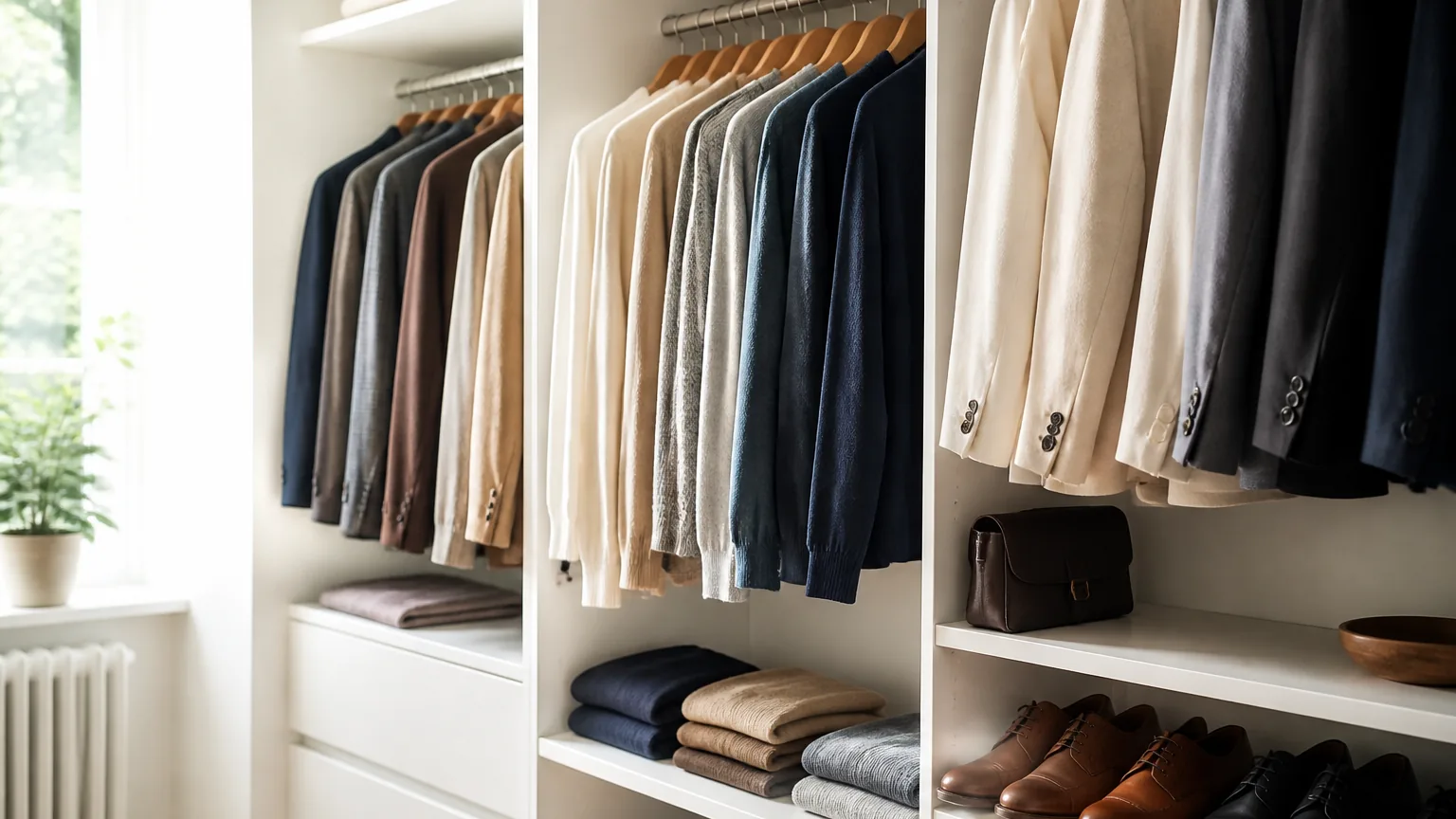
The core differences between premium and standard clothing are fabric quality, construction, and cut. These translate into specific benefits. Natural fibers — wool, linen, silk, cotton — breathe, regulate temperature, and feel different against skin that may have become more sensitive with age. High-quality construction means garments hold their shape, don't pill, and
last — a well-made cashmere sweater, properly cared for, lasts decades. Better cut means clothing that accounts for real bodies rather than the idealised proportions of a young runway model.
The investment calculation changes with age in a useful way: buying fewer, better things rather than more, cheaper things tends to produce both more satisfaction and better long-term value. A wardrobe of twenty well-chosen, high-quality pieces functions better than a wardrobe of a hundred things bought on convenience.
Adaptive fashion
Adaptive fashion — clothing designed with the practical needs of older or physically limited bodies in mind, while maintaining aesthetic quality — has become a genuine and growing segment. Brands including Tommy Hilfiger Adaptive (which offers mainstream fashion with modified fastenings, velcro closures replacing buttons, and open-back options), MagnaReady (magnetic button replacement that is visually identical to conventional buttons), and Silverts (a specialist in adaptive everyday clothing) now offer ranges that look conventional while incorporating meaningful practical modifications.
At the higher end, bespoke tailoring has always produced clothing that fits actual bodies rather than idealised ones. A well-fitted suit or jacket, cut to an individual's measurements and posture, sits and moves differently from any off-the-rack garment at any price point. Tailors in most major cities and many smaller towns offer this service; the cost is less prohibitive than commonly assumed for everyday garments, as opposed to formal wear.
Footwear
Footwear deserves particular attention in later life. Foot health — specifically the structural integrity of the arch, the condition of the metatarsals, and toe alignment — has direct implications for gait, balance, and therefore fall risk. The National Library of Medicine advises wearing well-fitting, low-heeled shoes with rubber soles that help prevent slipping. Many standard shoes provide insufficient support and, worn for decades, contribute to foot problems that compound other mobility challenges.
Quality footwear from brands with genuine engineering behind their construction — New Balance (which offers extensive width options and excellent cushioning), Ecco (Danish quality with a focus on anatomical support), Vionic (podiatrist-designed with built-in orthotic support), and Finn Comfort (German-made with removable insoles and wide lasts) — addresses these concerns without sacrificing aesthetic. Custom orthotics, prescribed by a podiatrist and fitted into quality footwear, represent the highest level of foot support and are often covered partially by Medicare and supplemental insurance.
Dressing well is not vanity. It's a form of care — for how one feels, for how one presents in the world, and, in the case of footwear particularly, for physical health. The investment is daily and returns compound over time.
| Category | What quality changes |
|---|---|
| Everyday clothing | Better fabric and cut that lasts and feels good all day |
| Adaptive fashion | Magnetic closures and easy fastenings, without looking clinical |
| Footwear | Support and fit that protect balance and joints |
Where quality matters most, in order:
- Start with footwear, since fit and support protect balance and health.
- Choose adaptive pieces where dressing has become a daily struggle.
- Invest in a few well-made staples rather than many cheap ones.
- Favor fabrics and cuts that stay comfortable across a whole day.
Key Takeaways
- What you wear measurably affects mood, movement, and how others respond — an effect that does not fade with age.
- Premium clothing earns its price through fabric, construction, and cut: natural fibers that breathe and garments that hold their shape for years.
- Buying fewer, better pieces tends to bring more satisfaction and better long-term value than a large, cheap wardrobe.
- Adaptive fashion and bespoke tailoring make well-fitting, dignified clothing available even when buttons or standard cuts are a problem.
- Footwear deserves the most attention: supportive, well-engineered shoes protect gait and balance and help lower fall risk.