
The kitchen remains, for many older adults, a primary site of both pleasure and daily effort. The right equipment changes both.
Cooking is associated, in the research on healthy aging, with quality of life, social connection, nutritional variety, and cognitive engagement. The kitchen is not just a utility space — it's where a significant portion of daily satisfaction tends to originate. Equipment that makes cooking easier, more precise, and more enjoyable is, in that context, a genuinely meaningful investment.
Induction cooking
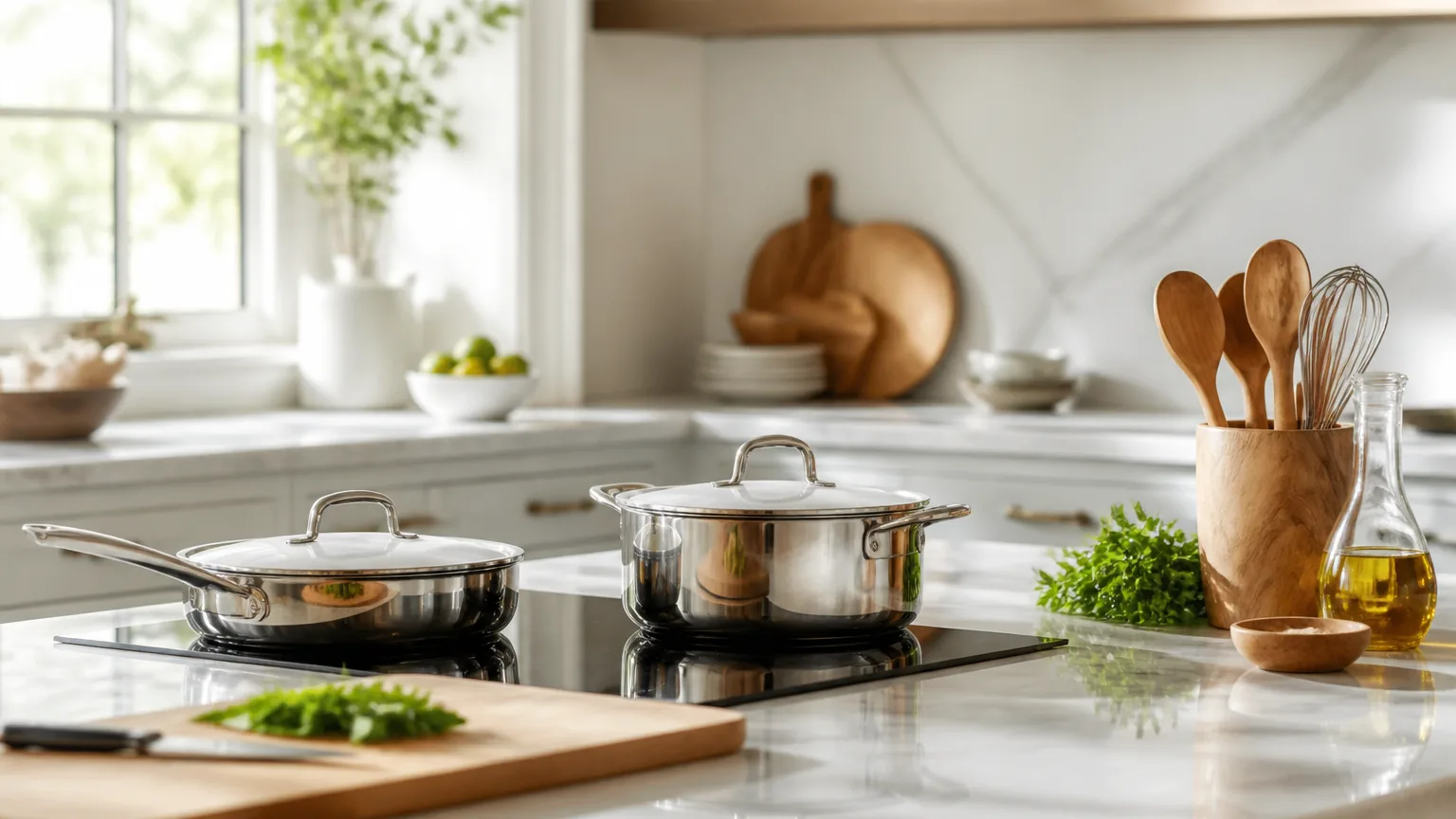
Induction cooktops heat the pan directly through electromagnetic induction rather than heating a hob surface or producing an open flame. That safety margin matters more with age: the U.S. Fire Administration reports that in 2023 older adults were about 2.5 times more likely than the general population to die in a fire. The practical implications are significant: the hob surface stays cool (reducing burn risk), spills don't bake on immediately, temperature control is more precise than gas or electric resistance, and the cooktop reaches temperature faster. For anyone with concerns about gas safety — whether from cognitive changes that affect memory, or simply the preference for a safer kitchen environment — the switch to induction represents a meaningful upgrade. Brands including Wolf, Thermador, and Miele offer premium induction installations; portable single-burner induction units allow the technology to be tested inexpensively before committing.
Cutlery and ergonomic tools
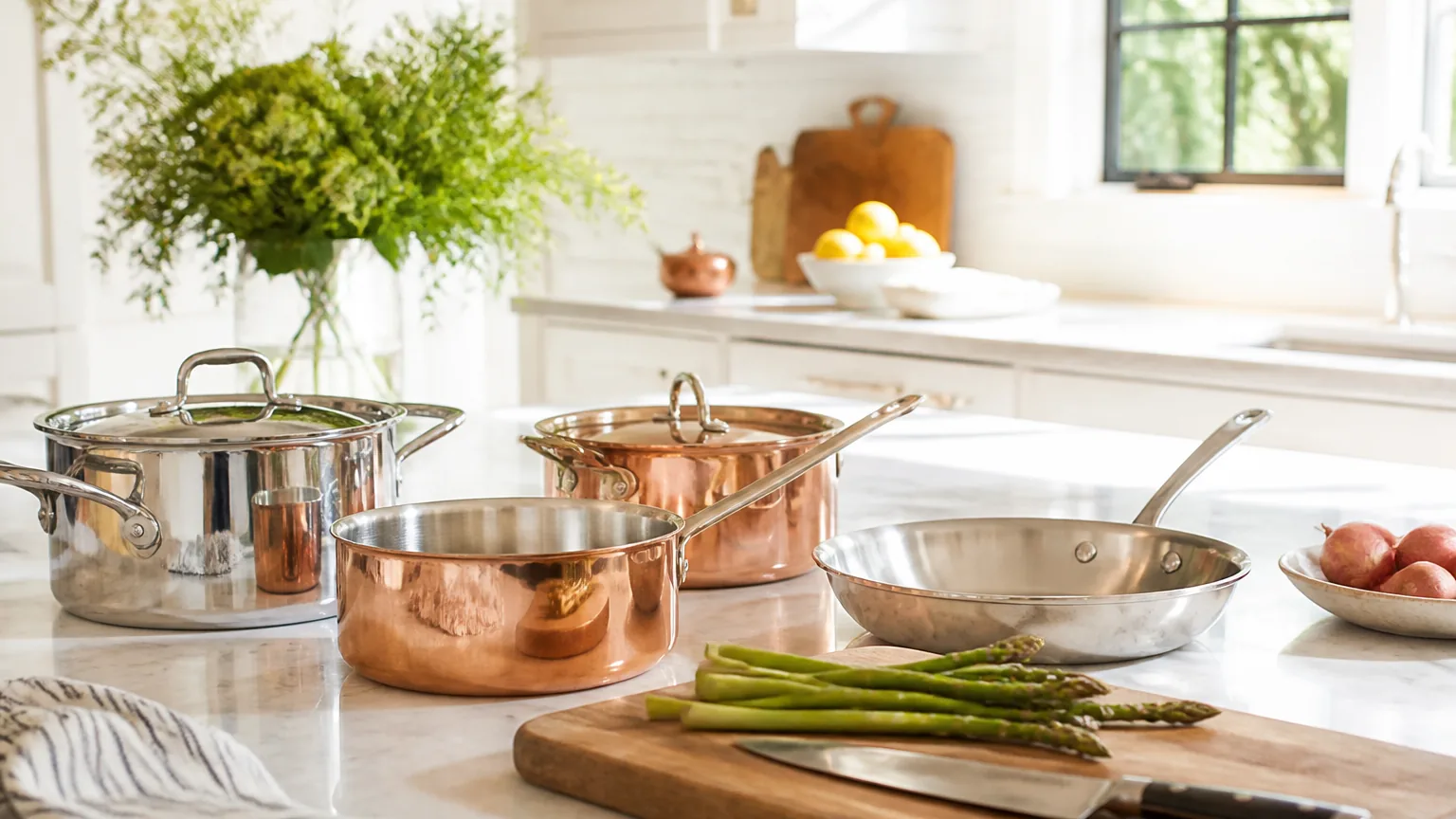
A sharp knife requires significantly less force to cut than a dull one — a fact that matters considerably for anyone with reduced grip strength or arthritic hands. That is not a rare situation: arthritis affects about 54 percent of adults age 75 and older, according to the Centers for Disease Control and Prevention. Professional-grade knives, properly maintained on a good sharpening steel or whetstone, hold their edge far longer than consumer-grade equivalents and are, paradoxically, safer (dull knives require more force and are more likely to slip). Brands including Global, Wüsthof, and Shun are widely considered benchmarks in this category.
The broader category of ergonomically designed kitchen tools has expanded substantially. Jar openers designed for limited grip, spring-loaded scissors, loop-handled peelers, and weighted cutlery designed for those with tremor are available from specialist suppliers including OXO Good Grips (whose origins are specifically in kitchen design for older and disabled users) and from occupational therapy supply companies.
High-end appliances that earn their counter space
A quality stand mixer — KitchenAid at the mid-premium level, or the Kenwood Chef for heavier work — eliminates the physical effort of mixing and kneading while producing consistently better results. For those who cook for one or two, a high-end toaster oven (the Breville Smart Oven series is widely recommended) can replace the main oven for many tasks with greater energy efficiency and less preheating time.
Sous vide cooking — in which food is vacuum-sealed and cooked in a precisely temperature- controlled water bath — has moved from professional kitchens to home use. It produces consistently excellent results, is particularly forgiving of timing (food won't overcook within a wide window), and can be prepared in advance. The Anova Culinary Precision Cooker is the most widely used home unit.
Gourmet meal delivery
For cooking days that don't happen — or for expanding variety beyond a standing repertoire — gourmet meal delivery services have matured considerably. At the premium end, services like Goldbelly deliver restaurant-quality dishes from notable US restaurants; Sun Basket delivers organic, dietitian-designed meal kits; and Marley Spoon focuses on chef-developed recipes with fresh, portioned ingredients. For someone cooking for one or two, these services reduce waste and introduce variety in ways that a standing weekly shop rarely achieves.
| Equipment | What it changes | Consider it if |
|---|---|---|
| Induction cooktop | A cool surface, precise heat, and no open flame | Gas safety is a worry, or you want a faster, safer cooktop; a portable burner tests it cheaply. |
| Sharp professional knives | Far less force to cut, and safer than dull blades | Grip strength is reduced or hands are arthritic. |
| Ergonomic tools (jar openers, spring-loaded scissors, weighted cutlery) | Less twisting and grip strain | Grip is limited or hands tremor. |
| Stand mixer | Removes the effort of mixing and kneading | You bake or cook in any real volume. |
| High-end toaster oven | Replaces the main oven for many tasks, with less preheating | You cook mostly for one or two. |
| Sous vide cooker | Consistent results and forgiving timing, prepared ahead | You want reliable results with little active attention. |
| Gourmet meal delivery | Variety and less waste on days cooking does not happen | You cook for one or two and want to cut waste. |
The kitchen, equipped with tools that work well for how it's actually used, becomes more of a pleasure and less of an effort. That shift is worth the investment.
| Upgrade | What it changes |
|---|---|
| Induction cooktop | Safer heat with no open flame, and an easy-to-clean surface |
| Ergonomic tools | Less strain on hands and wrists |
| Well-chosen appliances | Steps removed from everyday cooking |
| Meal delivery | A good option on low-energy days |
To cook well with less effort, in order:
- Start with safety: an induction cooktop removes the open flame.
- Add ergonomic knives and tools that are kinder to the hands.
- Choose a few appliances that genuinely remove steps.
- Keep a gourmet meal-delivery option for low-energy days.
Key Takeaways
- Good tools do more for later-life cooking than a bigger kitchen, and cooking itself supports quality of life and cognitive engagement.
- An induction cooktop stays cool, controls heat precisely, and removes the open flame — a real safety gain you can test with a cheap portable burner.
- Sharp professional knives and ergonomic tools cut the force and twisting that reduced grip strength makes difficult.
- A stand mixer, a high-end toaster oven, and a sous vide cooker each remove effort or add reliability, especially when cooking for one or two.
- Gourmet meal delivery fills the gap on days cooking does not happen, cutting waste and adding variety.