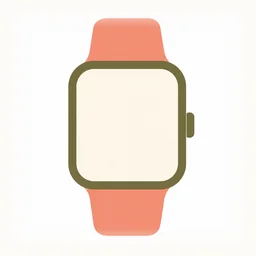
Smartwatches with fall detection and emergency SOS (Apple Watch, Samsung Galaxy Watch) provide both health monitoring and safety features in one device. Dedicated medical alert wearables prioritize safety with direct monitoring center access. Heart rate monitors and ECG-capable watches help those managing cardiac conditions.
Partly. Apple Watch fall detection and emergency SOS alert designated contacts and emergency services, which covers many scenarios. However, dedicated medical alert devices have 24/7 professionally monitored response centers, simpler operation during a health event, and work even with a dead phone battery. For high-risk seniors, a dedicated PERS provides stronger safety coverage.
Heart rate monitoring is highly accurate during rest and moderate activity. ECG readings (available on Apple Watch and some Samsung models) can detect atrial fibrillation with reasonable accuracy though should be confirmed by a physician. Blood oxygen readings are less clinically accurate than medical pulse oximeters and should be used for trending rather than clinical decisions.
Battery life (Apple Watch requires daily charging; some competitors last 5–7 days), screen size (larger screens are easier to read), ease of answering calls from the wrist, water resistance, and compatibility with the senior's existing phone ecosystem are all important factors.