
Eydology Eyewear
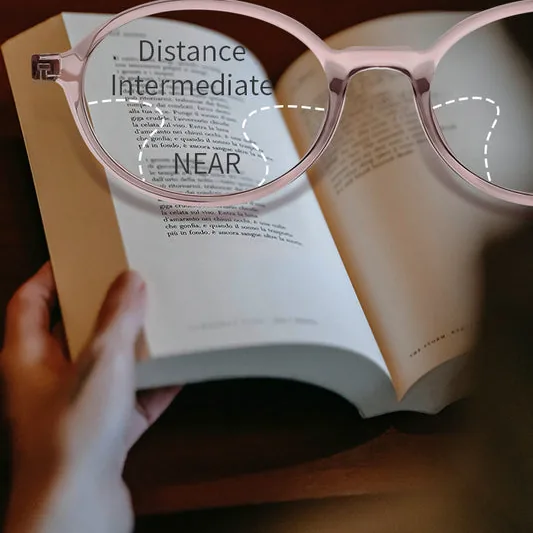
Online eyewear retailer selling prescription and non-prescription glasses — progressive, bifocal, and reading lenses, plus blue-light and photochromic options.
Key features
- Lens upgrades include high-index (thinner and lighter for stronger prescriptions), polarized, driving-specific, and color-tinted options, chosen during checkout.
- Frames come in narrow, medium, wide, and extra-wide widths, so fit isn't limited to one standard head size.
- Frame styles range from classic round, square, oval, and aviator shapes to cat-eye, browline, and oversized designs.
- The catalog also includes AI smart glasses with a built-in camera, video recording, and voice assistant, alongside standard prescription frames.
- Orders can be returned or exchanged within 30 days, and customer support is available 24/7 for prescription or fit questions.
Best for
Seniors who need more than one pair for different purposes — everyday wear, screens, or driving — and want each one priced well below a typical walk-in optical shop. | A practical gift once you know their prescription and frame preference, for a parent who's been putting off replacing old or damaged glasses.
Worth knowing
Ordering means supplying your prescription and pupillary distance at checkout instead of getting an eye exam on-site, so have those numbers from your eye doctor ready beforehand. What you pay depends on which frame and add-ons you pick, so no single number applies to every order.
Where to buy