

Health & Wellness $25–$100
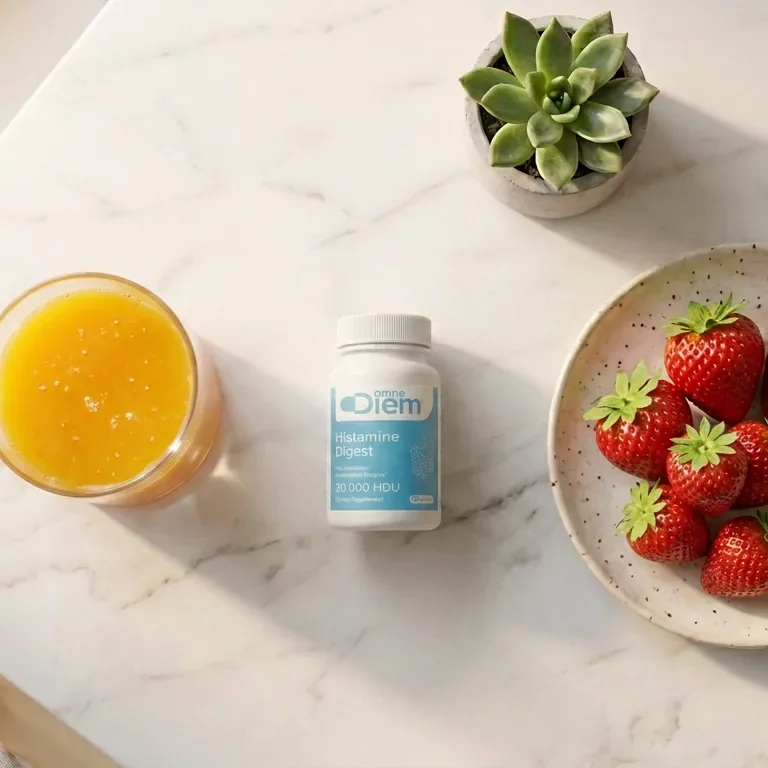
Omne Diem Histamine Digest DAO Enzyme
A diamine oxidase (DAO) enzyme capsule, 30,000 HDU each. The maker says it supports the breakdown of histamine from food.
Key features
- The maker says the enzyme comes from porcine kidney extract and the capsule is gluten-free and non-GMO. It is not vegetarian.
- PureMAX is a separate 40,000 HDU formula; I would ask a doctor or pharmacist which formula fits.
- Histamine Complete and Menopause Complete are separate combination formulas. Check their labels rather than using the Histamine Digest directions for them.
- The maker lists several bottle sizes and strengths. Check the label for the specific formula before ordering.
- Drink HD is a separate portable formula. Check its label and ask a doctor or pharmacist before use.
Best for
Seniors whose doctor has discussed histamine intolerance with them and who want to ask whether a DAO supplement is appropriate.
Worth knowing
The maker says Histamine Digest is not a treatment for food allergies. I would discuss symptoms with a doctor before using it and ask a pharmacist about prescription medications. Regular use adds an ongoing cost. The porcine source rules it out for people who avoid pork.
Where to buy