Technology
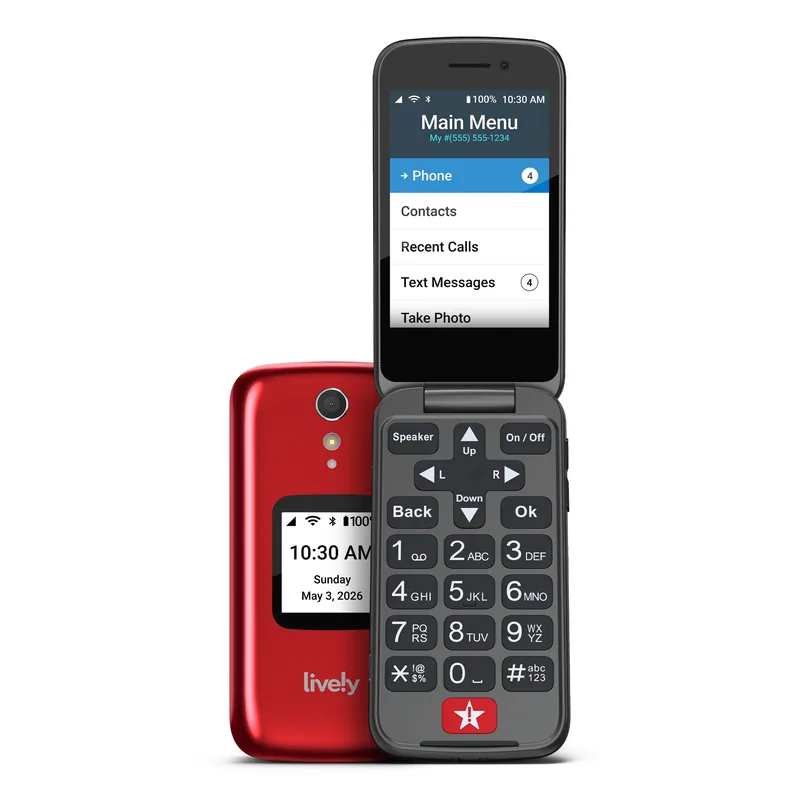
Jitterbug Flip2 by Lively
A flip phone built around a physical keypad and an Urgent Response button — large backlit keys, a loud speaker, and nothing on screen that has to be learned.
Key features
- Extra-large buttons with backlit display for low-vision users
- Urgent Response button connects directly to a 24/7 care agent
- Simplified menu with only features seniors actually use
Best for
Seniors 70+ who want a mobile phone for calls and texts without the confusion of a modern touchscreen — loud speaker, bright screen, simple menu. | A gift for a parent who misses calls, can't hear the speaker, or finds smartphone navigation overwhelming — works like a phone should, nothing more.
Worth knowing
Limited to calls and texts, with no smartphone apps. It works only on Lively service: a plan is required at activation, plus a $35 one-time activation fee.
Where to buy