
Lively Root Plant Delivery
Farm-fresh indoor and outdoor plants shipped direct from the nursery — easy-care varieties, personalized pots, and gift subscriptions.
Key features
- Plants arrive from the grower with intact root systems — no warehouse staging between nursery and delivery
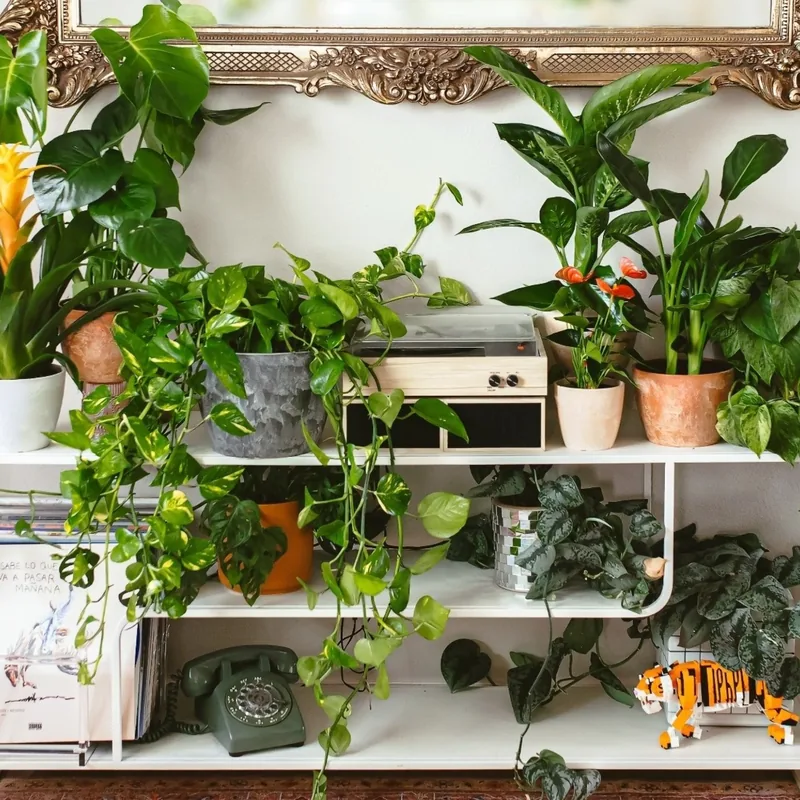
- Easy Care collection: snake plants, ZZ plants, pothos — low light, irregular watering
- Pet-friendly varieties clearly labeled throughout
- Care instructions included with every plant
- Personalized engraved pots available for custom gifts
- Gift subscriptions from $109 — a new plant each quarter
- 30-day Happiness Guarantee: replacement or refund if plant arrives damaged
Best for
Seniors who want a low-effort living hobby — something to tend without it demanding daily attention, arriving potted and ready with care guides included. | A present that keeps doing something long after the occasion, with personalized pot options and a subscription version that stretches the gesture across the year.
Worth knowing
Lively Root ships to the continental US only — check before ordering for Alaska, Hawaii, or APO addresses. Live plant shipping is weather-sensitive: extreme cold or heat during transit can stress plants, so timing around seasonal temperature spikes is worth checking. Some popular varieties are not pet-safe — use the pet-friendly filter if the recipient has cats or dogs.
Where to buy