Health & Wellness
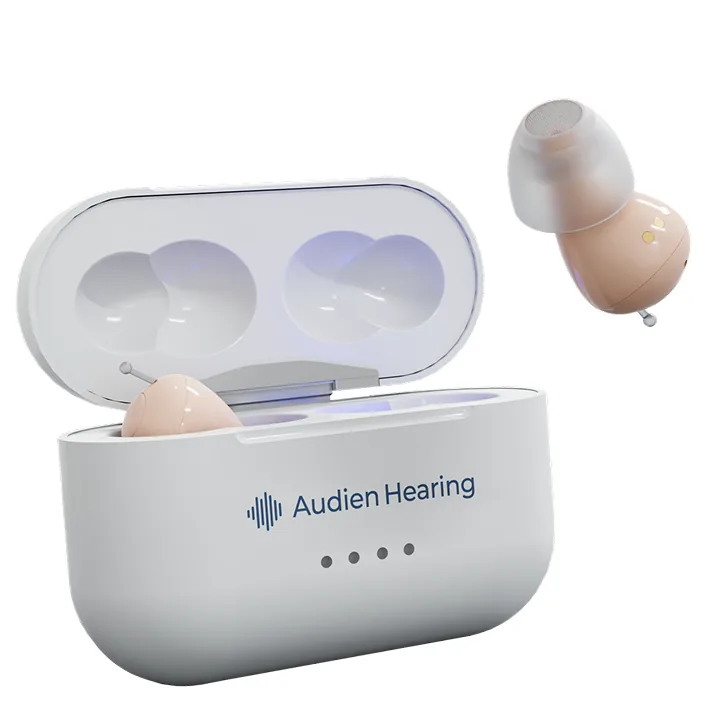
Audien Atom Pro 2 OTC Hearing Aids
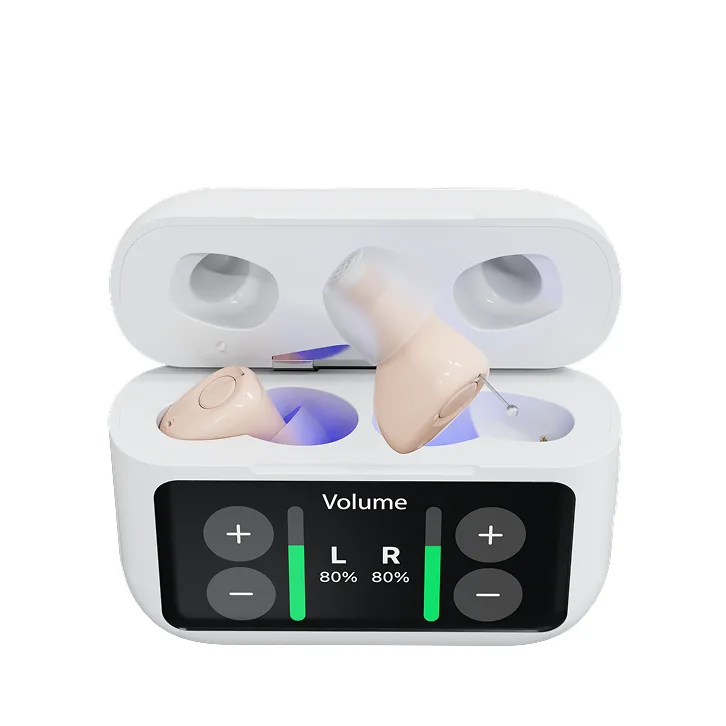
Budget-friendly OTC hearing aids with no app required — wireless, rechargeable, and built for anyone who'd rather adjust a physical control than tap a screen.
Key features
- UV sanitizing charging case — among the first hearing aid cases with built-in cleaning technology
- Nearly invisible in-ear design that sits discreetly without a visible wire or tube
- No smartphone, app, or account setup needed — works straight out of the box
Best for
Seniors who want hearing help without managing an app, account, or smartphone pairing | An easy, low-pressure gift for a parent who's been putting off hearing aids because every option seemed too complicated.
Worth knowing
Fewer adjustment options than app-controlled models — fine for straightforward mild hearing loss, less suited to anyone who wants to fine-tune settings for different environments.
Where to buy