A kitchen becomes difficult for an older adult long before it becomes unusable, and the change is usually gradual enough that nobody names it. Jars stop being opened. Cooking narrows to the few dishes that need least handling. Meals get skipped because the effort outweighs the appetite. The underlying causes are consistent — reduced grip strength, arthritis in the hands, poorer depth perception, and a reluctance to lift anything heavy over a hot surface. Adaptive kitchen equipment addresses those specific losses rather than the general idea of aging: wider handles that need less grip pressure, lever taps that a closed fist can operate, pull-out shelving that brings the back of a cupboard forward instead of asking someone to lean into it, and cutting boards that hold food still so only one hand is needed. Fitted early, these changes tend to preserve independent cooking for years. Fitted after a fall or a burn, they are doing repair work instead.
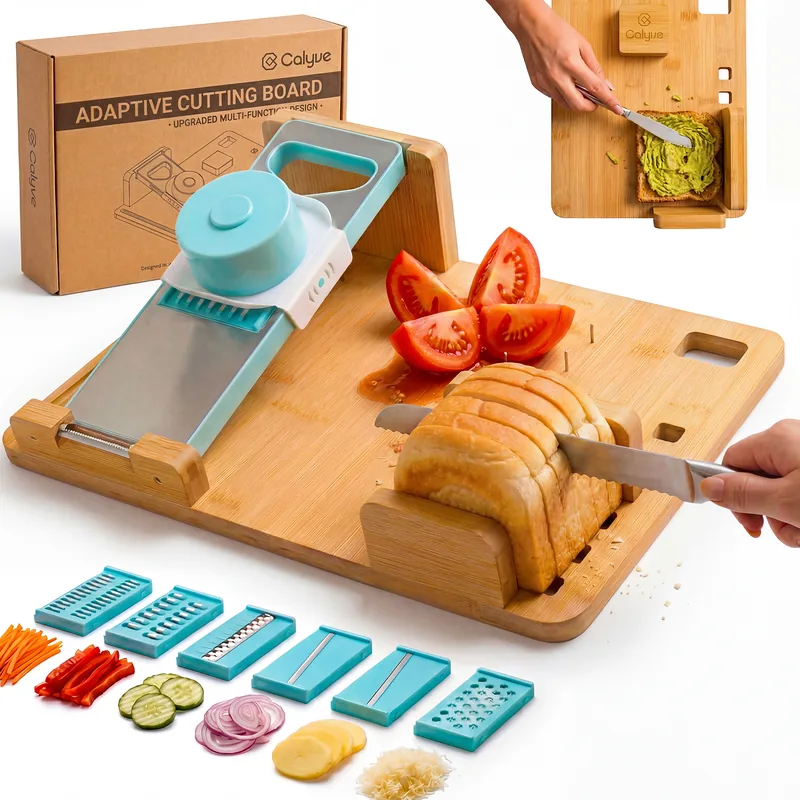
One-handed cutting board with stainless steel spikes and a corner guard — holds food steady so a single hand can slice, peel, or butter safely.
Key features
Stainless steel spikes anchor bread, meat, or vegetables in place so the other hand is free to rest or assist minimally
Raised corner guard holds items upright for spreading butter or jam one-handed
Bamboo construction with a non-slip base keeps the whole board stationary on the counter
Best for
Seniors recovering from stroke, living with limited use of one hand or arm, or managing an amputation who want to keep preparing their own food | A meaningful gift for a parent regaining independence after a health event, when cooking for themselves again is a real milestone.
Worth knowing
The steel spikes are sharp by design to anchor food securely — handle and clean with care. Best suited to slicing and spreading tasks; heavier chopping still benefits from added stability like a non-slip mat underneath.
Under-cabinet jar opener that grips any lid from above — twist the jar, not your wrist, to open stuck lids with one hand.
Key features
Mounts under a cabinet so it's always in position — no digging through a drawer for a separate gadget
Steel teeth grip the lid from above regardless of jar size, so one opener handles the whole pantry
One-handed operation — turn the jar itself instead of squeezing or twisting with both hands
Best for
Seniors with arthritic hands or limited grip strength who cook regularly and open jars often | A practical, install-once gift that keeps helping every time a parent opens a jar of pasta sauce or pickles.
Worth knowing
Requires mounting two screws into the underside of a cabinet — check with a landlord first if renting. Works best on standard lid sizes; extra-large or unusually shaped lids may not fit securely.
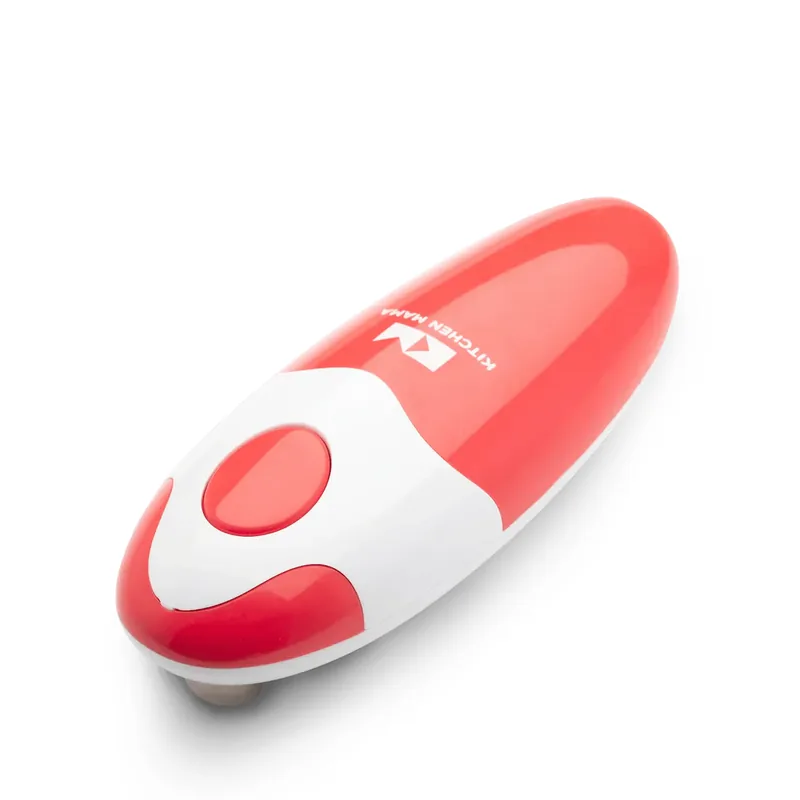
Fully automatic electric can opener — press one button and it opens the can hands-free, leaving a smooth edge with no sharp lid to handle.
Key features
Smooth-edge cutting means no sharp metal lid to set aside or accidentally touch afterward
Battery-operated and cordless, so it stores in a drawer and works anywhere on the counter
Auto-stop function shuts off the motor the moment the can is fully open
Best for
Seniors with arthritis, weak grip strength, or limited hand mobility who cook with canned goods regularly | One of the most practical, frequently-used gifts for a parent who still cooks for themselves but struggles with manual can openers.
Worth knowing
Runs on batteries, so keeping a spare set on hand avoids being caught without power mid-recipe. Best for standard round cans — unusually shaped or dented cans may not seat correctly.
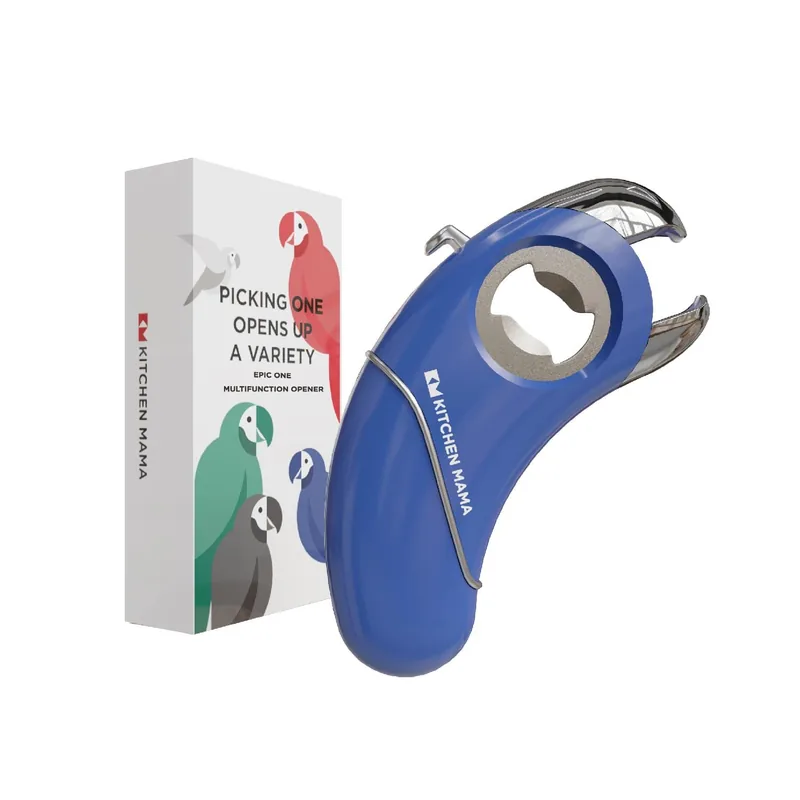
A single handheld tool that opens jars, bottles, and soda cans — one lightweight gadget replacing three separate openers for weak or arthritic hands.
Key features
Magnetic bottle cap catcher keeps loose caps from rolling off the counter or getting lost
Compact enough to store in a single drawer instead of three separate single-purpose openers
Textured grip handle needs minimal squeezing force compared to standard bottle and jar openers
Best for
Seniors who want a simple, low-effort backup for occasional stuck lids and bottle caps, without committing to a mounted kitchen gadget | An easy, inexpensive add-on gift alongside a larger kitchen aid, for the smaller everyday frustrations.
Worth knowing
Best for lighter, more occasional use — for someone who struggles with jars daily, a mounted under-cabinet opener provides more consistent leverage. Not designed for extra-large or industrial-sized lids.
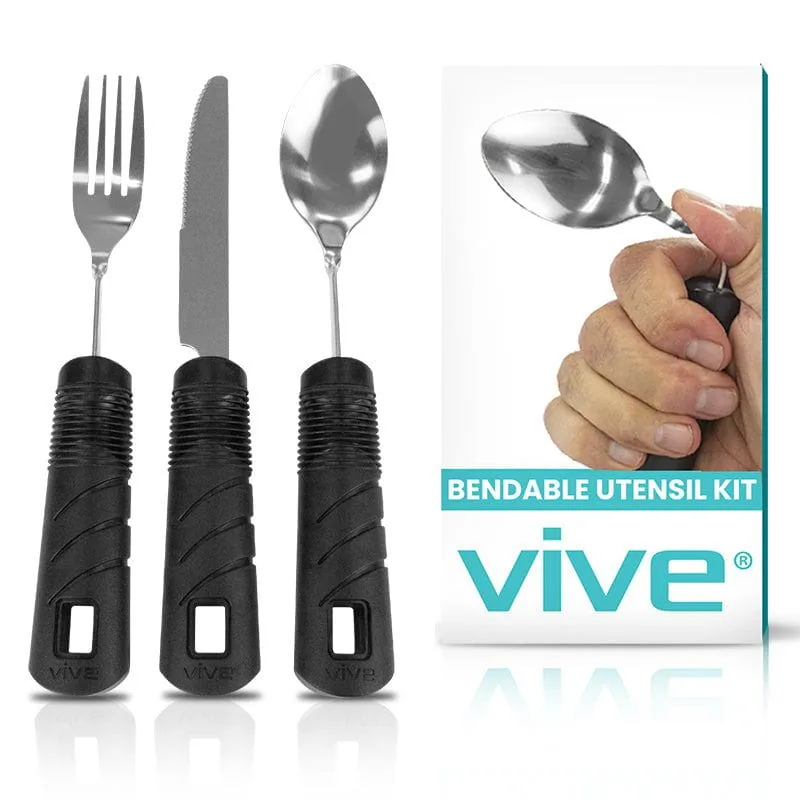
Weighted, wide-grip fork, spoon, and knife set built for hand tremors and reduced dexterity — steadier eating without switching to child-sized handles.
Key features
Built-up ribbed composite handles are gripped with an open palm rather than fine finger control
Heavier stainless steel heads add stability that naturally dampens hand tremors while eating
Dishwasher-safe, so the set fits into a normal kitchen routine without special hand-washing
Best for
Seniors with hand tremors, Parkinson's, arthritis, or reduced fine motor control who want to keep eating independently at the table | A thoughtful, dignified gift for a parent who has started struggling with regular cutlery but doesn't want anything that looks overtly medical.
Worth knowing
Heavier than standard cutlery by design — for very severe tremors or limited hand strength, an occupational therapist may recommend a different adaptive tool entirely. This set is for eating at the table, not cooking prep.
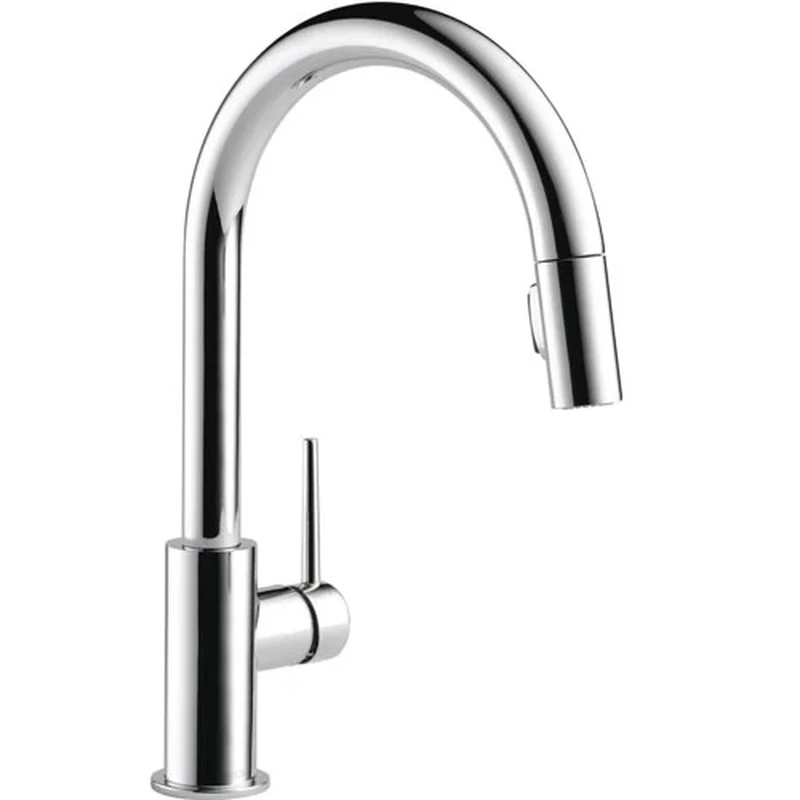
Touchless faucets that activate by waving a hand near the sensor — no gripping or turning levers that arthritic hands struggle with.
Key features
Wave-to-activate sensor
Zero grip or dexterity required
Alexa and Google Home compatible
Battery-powered models need no electrical work under the sink
Kitchen and bathroom models
Best for
Seniors with arthritis or hand tremors who struggle to grip and twist at the sink — touchless activation requires no hand contact at all. | A genuinely useful home upgrade for a parent with arthritis — reduces daily frustration at the kitchen or bathroom sink in a way that's immediately noticeable.
Worth knowing
Requires basic plumbing connection — professional installation recommended for most seniors.
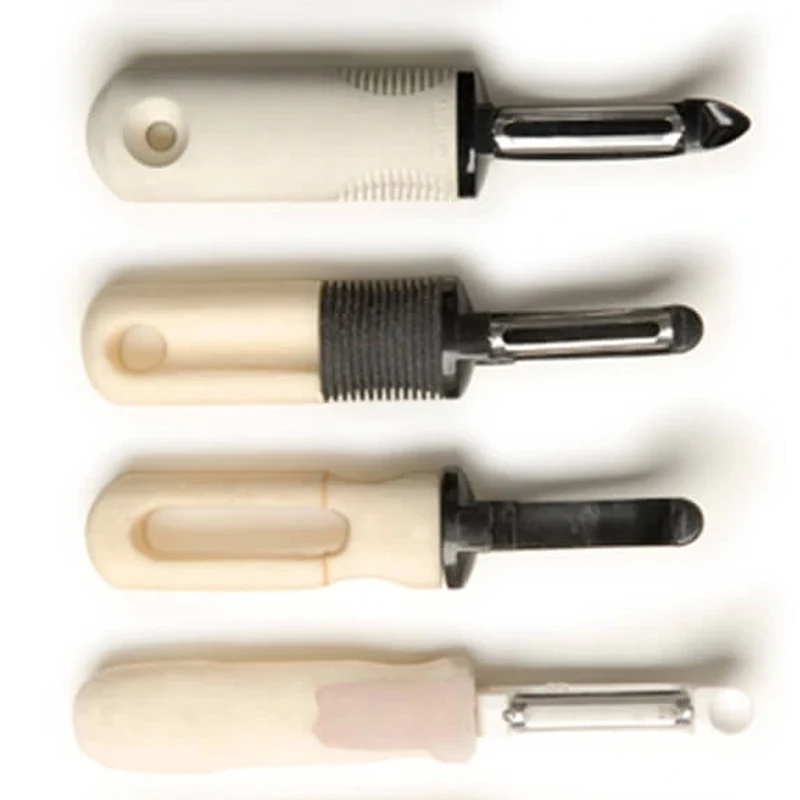
Adaptive kitchen tools with soft, oversized handles designed around arthritis, tremor, and reduced grip — sold as ordinary kitchenware.
Key features
OT-recommended brand
Full kitchen range — one brand
Soft non-slip handles
Widely available — Amazon and Target
Designed for limited grip strength
Best for
All seniors with arthritis, limited grip strength, or hand tremors — OXO's wide, soft handles make everyday kitchen tools significantly easier to control. | A practical kitchen gift that improves daily tasks a parent might not mention struggling with — well-designed tools used every single day.
Worth knowing
Handles are designed for one-handed use with a non-slip grip, which is particularly helpful with reduced grip strength or tremors. Most pieces are dishwasher-safe on the top rack. Items can be purchased individually — no need to replace the full set if only one or two pieces are needed.
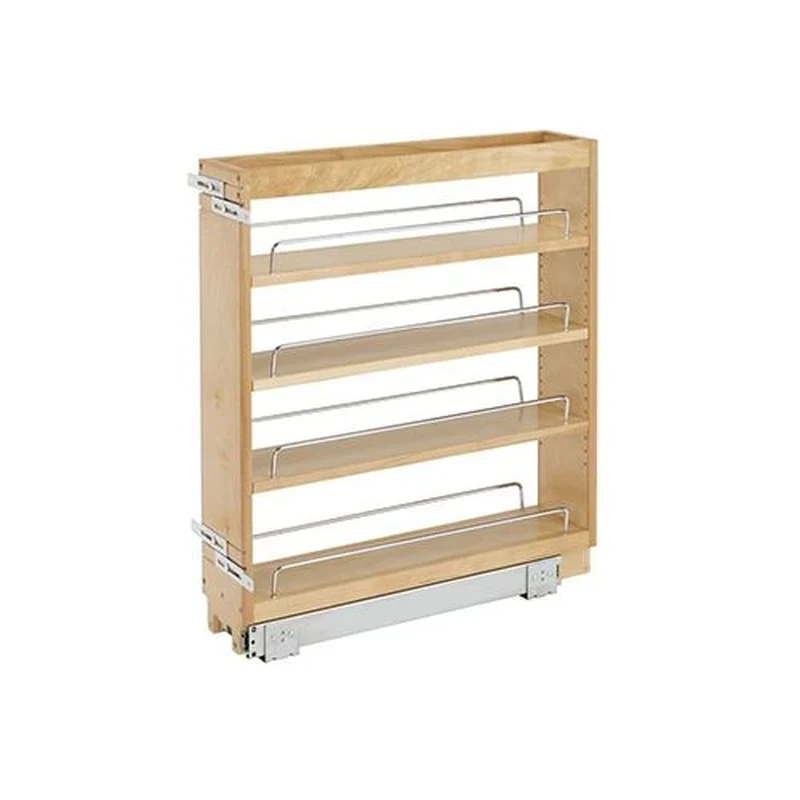
Pull-out cabinet shelving that brings every item to counter height, eliminating the deep-bend and overhead reach that cause kitchen falls.
Key features
Full extension — accesses every inch
Soft-close mechanism
Fits standard cabinet sizes
Screwdriver installation only
No cabinet replacement needed
Best for
Seniors with back pain or post-surgery restrictions on bending and reaching — pull-out drawer inserts bring everything in deep cabinets to the front. | A practical kitchen upgrade for a parent whose lower cabinets are hard to access — measure once, install during a visit, immediate lasting improvement.
Worth knowing
Some models require cabinet door removal for installation — plan for 30–60 minutes per cabinet.
The most impactful items are jar openers and can openers with ergonomic grips, cutting boards with suction feet and food guards, lightweight cookware, lever-handle faucets, and rocker knives for those with limited wrist mobility. These reduce grip demand and minimize the risk of spills and cuts.
Many premium brands now integrate accessible design into attractive products. OXO Good Grips, Zyliss, and Kuhn Rikon all make ergonomic tools that look at home in any kitchen. Focus on soft-grip handles, lever or push-button mechanisms, and stable bases.
Some state and local programs provide home modification grants that can include kitchen adaptations. Area Agencies on Aging can connect you with local resources. Occupational therapists can also assess your kitchen and recommend funded equipment.
Yes. Arthritis-friendly tools are specifically designed to reduce joint stress: angled handles, soft grips, and push-button openers require significantly less force than standard tools. Occupational therapists specializing in hand function can recommend the most appropriate tools for your specific limitations.
Work through it in order of risk. Move everyday items to between waist and shoulder height so nothing requires a stool or a deep bend. Replace round tap handles with lever handles, which can be worked with a fist or forearm. Add task lighting over the worktop and hob, since aging eyes need considerably more light than younger ones. Fit pull-out shelving in low cupboards. Choose lightweight pans, and a kettle that can be filled and poured without lifting its full weight. Finally, check flooring for rugs and worn edges — most serious kitchen injuries in older adults are falls rather than burns or cuts.
Four things, usually in combination: grip strength declines so lids, taps and packaging become genuinely hard to open; arthritis makes sustained pinching painful; depth perception and contrast sensitivity fade so edges and liquid levels are harder to judge; and reduced shoulder mobility makes high or deep storage unreachable. Standard kitchens are built around none of these. Most adaptive equipment simply removes the requirement for strength, precision or reach.